Loading...
Serving Madera, CA and surrounding areas. (559) 481-4073
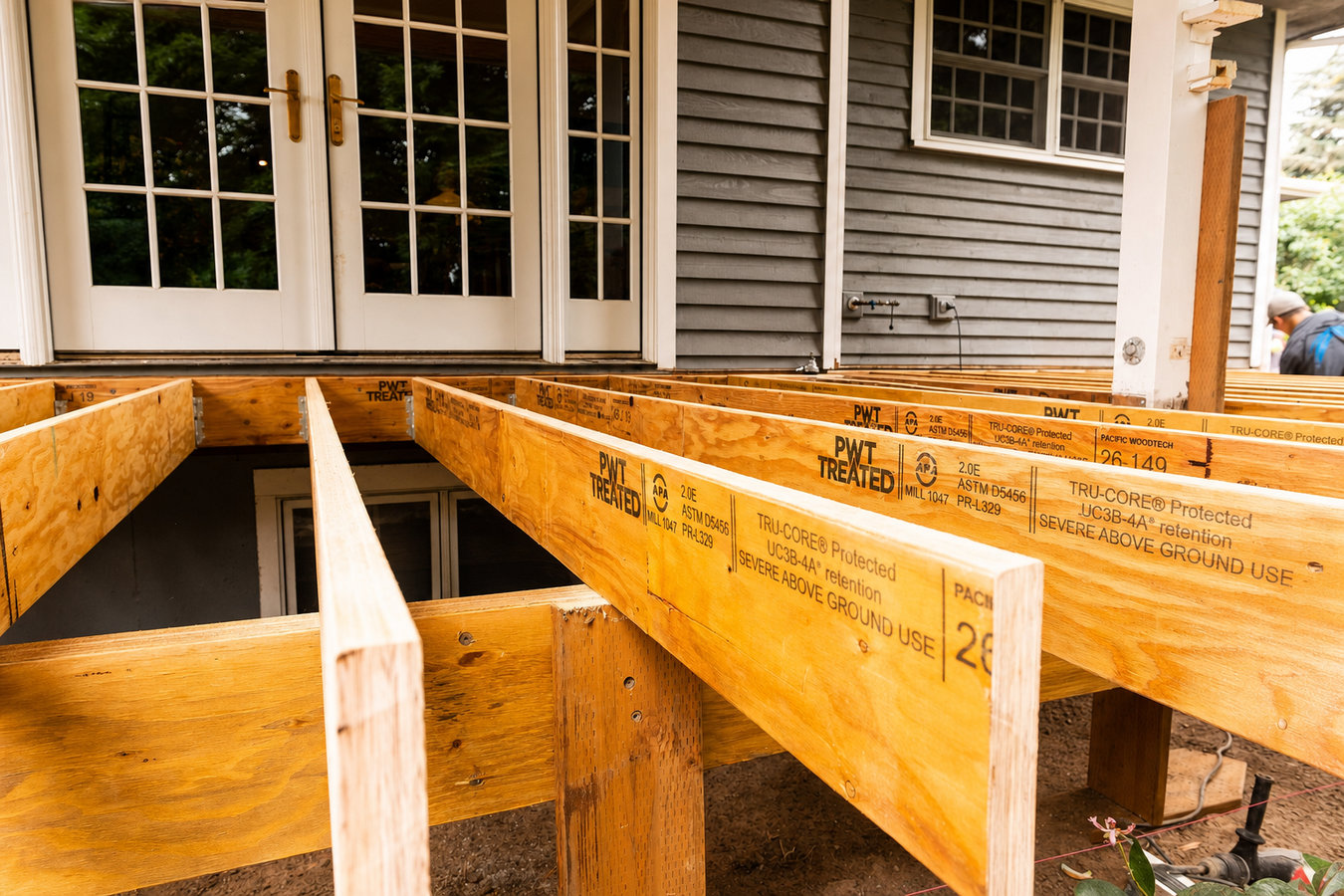
A well-built pressure-treated wood deck is still the most practical way to add outdoor living space in Madera. We handle permits, set footings right for this soil, and give you a written quote before anything starts.
Pressure-treated wood deck construction in Madera means building a structural deck from lumber that has been treated under pressure with wood preservatives, protecting it from rot, insects, and moisture damage - most straightforward residential decks run from first contact to finished inspection in four to eight weeks including permit review. Pressure-treated lumber is the most widely used material for outdoor decks because it combines durability, availability, and the lowest upfront cost of any deck material. A properly built and maintained pressure-treated deck can last 15 to 25 years or more in the Central Valley.
Pressure-treated decks are the right starting point for homeowners focused on value, or for those who want a natural wood surface they can stain to match their home. If you are thinking about a wood deck with better natural rot resistance and a richer appearance, our cedar wood deck construction page covers that option. And if you plan to stain and seal your deck after it is built - which is the right move for any wood deck in this climate - our deck staining and sealing page explains what that process looks like and how often it needs to happen in Madera.
Every deck we build is permitted through the City of Madera before work starts. That means a city inspector checks the framing at the right stages - an independent review that confirms the structure is safe and that protects your home's value when you eventually sell.
If your yard is just grass or dirt with nowhere to sit, grill, or gather, you are missing one of the most-used features of a Central Valley home. Madera's long, warm evenings from May through October are genuinely enjoyable outdoors - but only if you have somewhere comfortable to be. A deck gives you a defined, level space that makes the backyard feel like a real extension of your home.
Run your hand along your current deck surface. If boards feel rough, have visible cracks along the grain, or have edges that curl upward, the wood has dried out past the point where sealing will help. In Madera's climate, this kind of deterioration can happen within five to seven years on a deck that was never properly sealed - and once the boards are this far gone, replacement is more cost-effective than repair.
Push firmly on a post or railing at the corner of your deck. If there is any give at all, that is a structural warning sign - not just a cosmetic one. In Madera, the clay soil's seasonal swelling and shrinking can gradually work footings loose over the years, especially if they were not set deep enough originally. A wobbly railing is a safety issue, particularly if you have children or elderly family members using the deck.
Dark patches near the ledger board where the deck meets the house, or boards that feel soft and slightly springy underfoot, signal rot that has set in below the surface. The wood fibers have broken down and the board is no longer structurally sound. This is worth addressing quickly - rot spreads, and if it reaches the framing or the house structure itself, the repair cost grows significantly.
Pressure-treated lumber comes in different grades and treatment levels depending on how much moisture and ground contact the application involves. Above-ground deck framing uses a different treatment level than posts that go into direct soil contact, and using the right material in each location is what determines the deck's long-term durability. We specify the correct treatment level for each component - not the cheapest option that will pass a cursory inspection. If you are interested in upgrading the surface boards to cedar or composite while keeping a pressure-treated frame underneath, our cedar wood deck construction page covers how that combination works. For a fully low-maintenance option, our deck staining and sealing service is the step that protects a wood deck after it is built.
Beyond lumber, the quality of a pressure-treated deck comes down to fasteners and footings. Galvanized or stainless-steel fasteners are required with modern pressure-treated lumber because the treatment chemistry is corrosive to regular steel - using the wrong fasteners leads to rust stains and premature fastener failure. Footings need to be sized and set correctly for Madera's soil conditions. According to the American Wood Protection Association, using the correct treatment category for each application is essential for long-term performance of treated lumber in outdoor structures.
Suits homeowners who want a straightforward outdoor space at or near grade - the simplest build and the lowest cost starting point.
Suits homes where the back door is several feet off the ground and you need a deck that bridges that height - requires more robust footings and a ledger connection to the house.
Suits any deck that needs safe, code-compliant access and guardrails - stairs and railings are included in our standard permit drawings.
Suits homeowners who want a deck positioned away from the house - a pool surround, a garden platform, or a standalone entertaining area - without attaching to the structure.
Madera's San Joaquin Valley climate is harder on outdoor wood than most homeowners realize before their first deck. Summer temperatures regularly exceed 100 degrees and UV radiation is intense for months, which dries out and degrades wood surfaces faster than in coastal or northern California. A deck that might need sealing every three years in San Francisco needs it every one to two years in Madera - and skipping that maintenance is the main reason decks in this area fail before their time. We build every deck with that maintenance reality in mind and walk every customer through what to do and when. Our customers in Chowchilla and Fresno face the same climate and the same maintenance schedule.
Below the surface, Madera's clay-heavy valley soils create a different challenge. That clay expands when it absorbs winter rain and shrinks back down in the summer heat - a cycle that can gradually shift concrete footings that were not set deep enough or sized correctly for the movement. A deck builder who does not account for this will produce a deck that starts to tilt, creak, or develop loose posts within a few years. We set every footing below the active clay layer, which takes more time and material than the minimum code requirement but is the right way to build here.
We ask a few basic questions about the deck size you have in mind, whether it will be attached to the house, and roughly how high off the ground it needs to be. We respond within 1 business day and schedule a free on-site visit.
We come to your property, walk the space, and take measurements. The actual conditions of your yard - slope, soil, access - affect the price more than any general estimate, so we look before we quote. You leave the visit with a clear proposal.
Once you approve the written quote, we prepare the drawings and submit the permit application to the City of Madera. The city's review and approval typically takes one to three weeks. We track it and keep you updated - no visits to the permit office needed on your end.
We dig footings below Madera's active clay layer, frame the structure, install decking boards, and finish with railings and stairs. A city inspector signs off before you use the deck, and we walk you through basic maintenance before we leave the site.
Free estimates, itemized written quotes before any work starts, and full permit handling. We respond within 1 business day.
(559) 481-4073We prepare all drawings, submit the application to the City of Madera Community Development Department, and track it through approval. Every deck we build is permitted, inspected, and fully documented - so there are no surprises if you ever sell your home or need to make an insurance claim.
We dig footings deep enough to get below the zone where Madera's clay soils actively move with the seasons. That means the footings we pour are not affected by the wet-dry cycle that shifts shallower work over time. This is the single most important quality difference between a deck that stays solid for 20 years and one that starts to tilt and creak within five.
We have been building in Madera and across the Central Valley since 2016. We know the Building Division, we know the soil in different parts of the city, and we know what the climate does to outdoor wood here. That background is not something you can get from a contractor who is new to the valley. The California Contractors State License Board lets you verify any contractor's active license status in about 30 seconds online.
We give you an itemized written quote that separates labor and materials before the permit is even filed. We do not start work until you have approved it in writing. No scope creep, no surprise line items at the end - just a clear record of exactly what was agreed to and exactly what was built.
These are not marketing promises - they are the things Madera homeowners ask us about before every project. We have heard the same questions enough times to know what actually matters when you are hiring someone to build a structure that will be attached to your home for decades.
Want a wood deck with a naturally attractive grain and better rot resistance than pressure-treated lumber? Cedar is the premium wood option for Madera backyards.
Learn MoreBuilt your deck and ready to protect it? Proper staining and sealing is what keeps a pressure-treated deck looking good and lasting through Madera summers.
Learn MorePermit approvals take two to four weeks - the sooner you reach out, the sooner we can schedule your build date and get your backyard ready for the season.