
Loading...
Serving Madera, CA and surrounding areas. (559) 481-4073
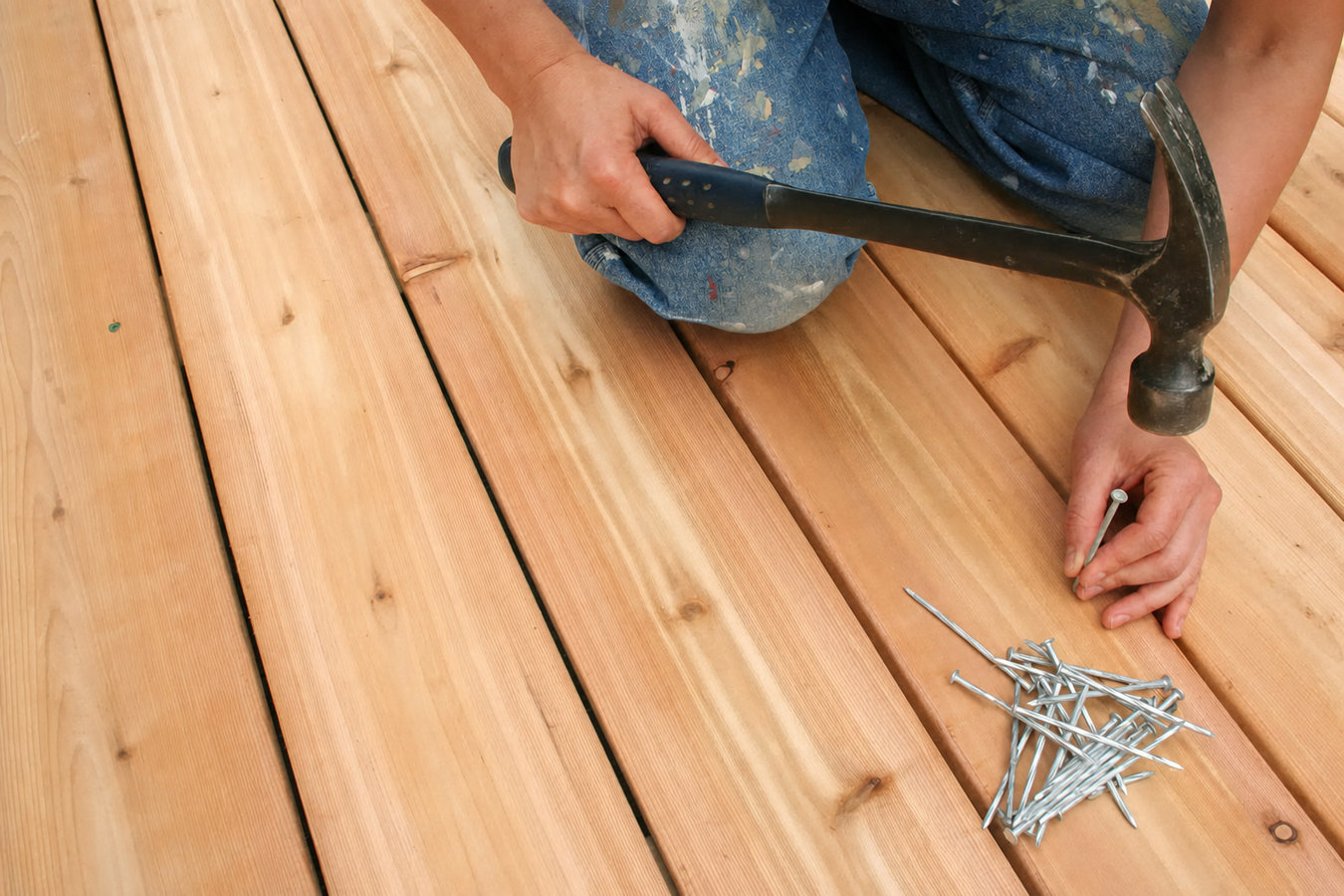
Soft boards, loose railings, or a deck pulling away from the house - these are not just cosmetic problems. We assess what is actually wrong and give you an honest recommendation before any work starts.
Deck repair in Madera covers fixing individual boards, re-securing loose railings, reinforcing damaged joists, and addressing structural weak points - most repairs are completed in a single day, and the right repair at the right time can extend a deck's life by years without a full rebuild.
The difference between repair and replacement comes down to what is happening underneath. Surface damage is often fixable. But when the framing - the posts, beams, and joists - is soft or compromised across a large area, patching around the damage costs more in the long run than starting fresh. For Madera homeowners, Madera's wet fog winters followed by triple-digit summers can accelerate hidden structural damage in ways that are not visible from the surface.
If you are leaning toward a full replacement and want to compare material options, our cedar wood deck construction page walks through what a new cedar build involves from start to finish.
If you walk across your deck and certain spots feel spongy or give more than they should, that is a sign the wood underneath has started to rot. In Madera, this often shows up after a wet winter followed by a hot summer. Soft spots in the surface usually mean the framing below is also compromised - do not wait to have it looked at.
Boards that have turned gray, developed deep cracks along the grain, or started to splinter have lost most of their protective surface. Madera's intense summer sun breaks down wood fibers faster than in cooler parts of California. Surface damage like this is repairable if caught early, but left alone it allows water to penetrate and rot the structure below.
Give your deck railing a firm push. If it moves more than a little, or if a post is visibly leaning, that is a safety issue - not just cosmetic. Loose railings are one of the most common causes of deck-related injuries. In Madera's clay soils, post movement is often caused by the ground shifting beneath the footings over time.
Look at the seam where your deck meets your home's exterior wall. If a gap is opening up, or if the deck surface is no longer level with the door threshold, the connection between the deck and the house has weakened. Water gets into that gap and can damage your home's framing, not just the deck. This needs professional attention.
Not every deck problem calls for the same solution. We handle everything from targeted board replacement and railing repairs to full structural teardown and rebuild. Before we recommend anything, we assess the framing underneath - because a deck that looks rough on the surface might be sitting on solid bones that are worth saving. The North American Deck and Railing Association at nadra.org has a useful consumer resource on understanding what separates a good repair from a job that just delays the inevitable.
If the assessment points to replacement, we can rebuild in cedar, pressure-treated wood, or composite decking depending on your priorities. We also handle deck staining and sealing after repairs to lock in the new work and protect it from the next round of Valley weather. And if your new or repaired deck needs a cedar wood construction approach from the ground up, we handle that as well.
Best for decks with solid framing where only a few boards have cracked, splintered, or lifted over time.
Right for decks where the surface is sound but the railing system has loosened, leaned, or become a safety concern.
Suited for decks where individual joists or beams have weakened but the overall footings and posts are still in good shape.
The right move when more than a third of the structural framing is compromised, or when the deck is past the point where ongoing repairs make financial sense.
Two things wear decks out faster in Madera than in most other California markets: the summer heat and the winter moisture cycle. Temperatures regularly push past 100 degrees Fahrenheit from June through September, drying out and cracking any wood that is not properly sealed. Then the San Joaquin Valley's tule fog settles in from December through February, keeping wood damp for days at a stretch. That back-and-forth between wet and dry is particularly damaging to deck framing and boards. The California Department of Housing and Community Development at hcd.ca.gov covers the permit requirements that apply to structural work in California.
The clay-heavy soils common across the Valley floor add another layer of complexity. Clay expands when it absorbs moisture and contracts when it dries out - and that seasonal movement can slowly shift deck footings out of position, causing posts to lean and structural connections to loosen. This is one reason decks in Madera age faster than average and why footing depth and anchoring matter more here than in many other regions. Homeowners in Reedley and Fresno face the same conditions, and we approach every repair and rebuild across the region with those local realities in mind.
We respond within 1 business day. Tell us roughly what you are seeing - soft spots, a wobbly railing, a gap at the house - and we will schedule a visit. No cost, no commitment.
We walk your deck, check the surface boards, test the railings, and look underneath at the framing and posts. You get a written estimate that breaks out labor and materials - and an honest recommendation on repair versus replacement.
If the work requires a permit - which most structural work in Madera does - we submit the application to the City of Madera Building Division and handle approval. Permit timelines typically run one to two weeks for residential projects.
For a repair, most work is completed in one day. A full replacement typically takes two to five days. For permitted projects, a city inspector signs off before we close out the job, giving you documented proof the work was done correctly.
We respond within 1 business day. A free on-site visit is the only way to know whether you need a repair or a replacement - and we will give you a straight answer either way.
(559) 481-4073We look at the framing underneath, not just the surface, before making a recommendation. If a repair is the right call, we tell you. If replacement saves you money over time, we explain why - in plain terms, with no pressure.
Unpermitted deck work is one of the most common surprises Madera homeowners discover when they go to sell. We pull every permit the City of Madera requires so you have the paperwork to prove the work was done right.
The clay-heavy soils common across the San Joaquin Valley expand when wet and shrink when dry. We set posts deep and anchor them in concrete sized for local conditions, so the structure stays level through the seasonal cycles here.
We have been serving homeowners in the Madera area since 2016. Your estimate visit is free and comes with a line-by-line breakdown - no vague totals, no surprises on the final bill.
Madera decks face conditions that contractors in other parts of California do not deal with in the same way. The combination of extreme heat, winter moisture, and expansive clay soils means that every repair or rebuild needs to account for what is actually happening here - not just what the national average looks like.
Protect a newly repaired or replaced deck with professional cleaning, staining, and UV-protective sealant suited to Madera's climate.
Learn MoreWhen replacement makes more sense than repair, we build new cedar decks from the ground up with proper footings and permitted work.
Learn MoreThe sooner you call Madera Deck & Fence, the sooner we can lock in your start date. Free on-site estimate, written quote, no pressure.